Movie Review of “White Bird”


If you are a parent, a grandparent, or have taught school, you may have heard of or witnessed instances of bullying.
Society has experienced its fair share of bullies for decades. Recent statistics show that one out of four students, ages 9-17, or 20-22%, have experienced some form of bullying. Generally, more boys than girls have been bullied. One out of five “tweens” (ages 9-12) have experienced cyberbullying and 46% of bullied students have reported the bullying to adults in the school.
Bullying can be verbal, physical, emotional or a combination of these forms. The reasons for bullying are equally widespread from physical disabilities to racial/ethnic, religious or economic differences. Such statistics have challenged school boards to look for effective ways of dealing with this significant problem. This has led to programs emphasizing conflict resolution and kindness initiatives.
While there have been books and films on the topic, a new film, “White Bird”, released this autumn, takes a unique vantage point of bullying. The film takes up where the 2017 film “Wonder” ended. What makes it unique is that instead of looking at bullying from the victim’s viewpoint, it looks at the bully.
“Wonder” presented the story of 10-year-old August “Auggie” Pullman, a young boy with a facial deformity that marked him as a target for the class bully. The twist is that instead of following Auggie, it follows the bully after his expulsion from the one school and now beginning life in a new school where he does not know a soul. No longer the center of attention, Julian Albans (Bryce Gheisar) is anxious to put the expulsion behind him and quietly fit in with his new surroundings.
On his first day at school, he finds himself sitting alone during lunch, hoping to become invisible, wanting just to fit in with the right people when a young girl befriends him, welcoming him to the school and inviting him to a club meeting later in the week. Another student walks by, stops to greet Julian and promptly lets him know that he can introduce Julian to the “right” sort of people who can help him fit in. He further lets Julien know that it is a kiss of death socially to sit at this table and to be seen talking to a certain group of students. Julian immediately feels trapped. On the one hand, he wants to desperately fit in. But on the other, he doesn’t want to commit the same mistake twice.
When he got home after his first day in the new school, it was evident to his grandmother, Sara Blum (Helen Mirren), that it was a tough day for her grandson. When Julian tells Sara about the challenges of transferring to a new school, she promptly reminds him that it wasn’t a simple transfer, but he had been expelled for bullying a fellow student and that he needed to come to terms with that essential point. She then decides that the best way to help her grandson understand how horrible bullying can be and how kindness is the better path is to share her story about living in occupied France as a young Jewish girl. The film then goes back in time as she recounts her story.



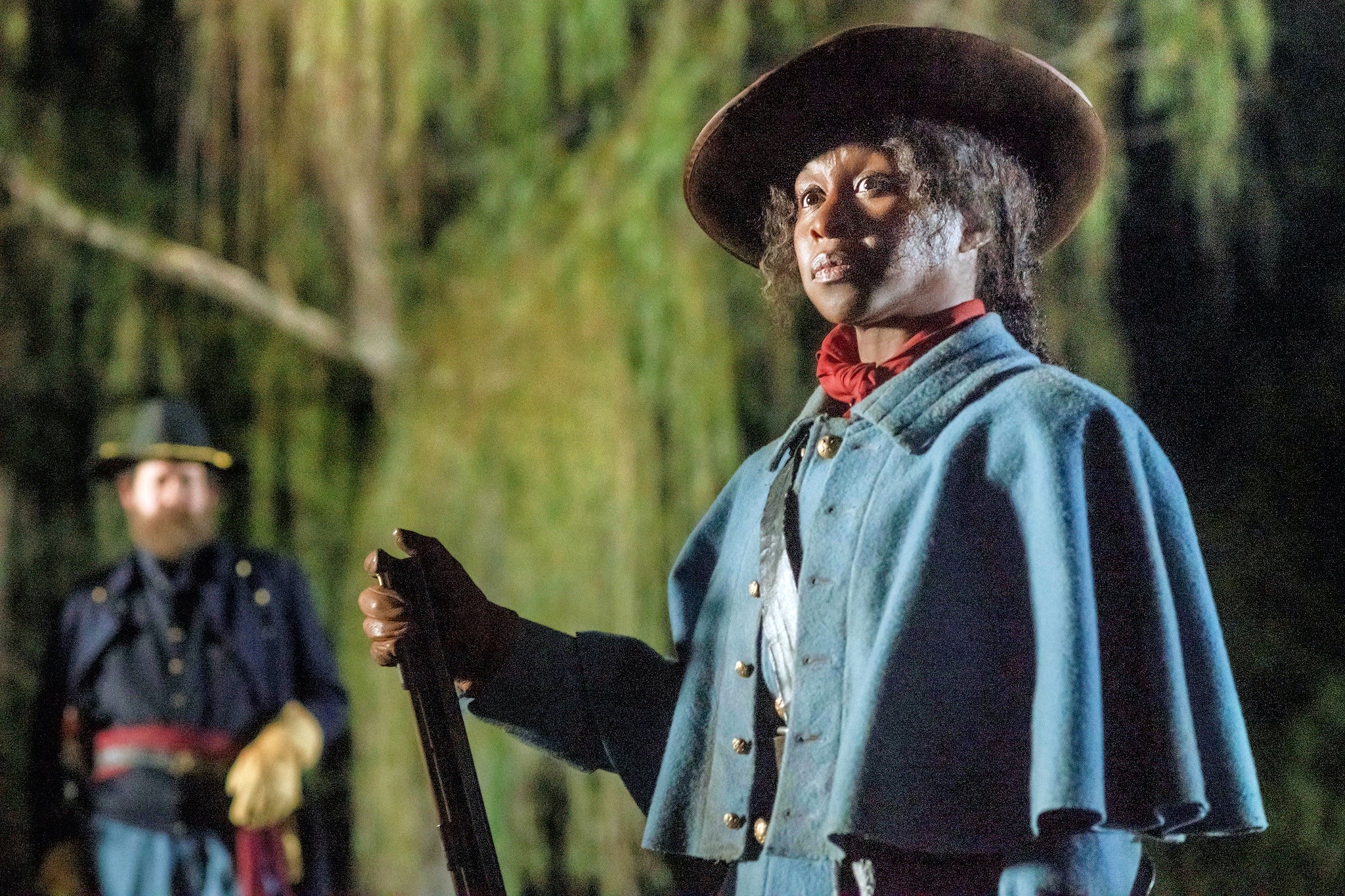
 The great thing about movies is they often shine light on amazing people or bring to our attention issues that need to see the light of day. Last holiday season did not disappoint in doing both.







 Applied Unificationism
Recent Comments